
Keep Your Kitchen Running Without Violations
Grease trap cleaning and pumping for commercial kitchens in Spring, Texas.
If you run a restaurant or commercial kitchen in Spring, you already know grease does not just disappear down the drain. It cools, solidifies, and collects inside your trap. When that happens, you start dealing with slow drains, foul odors that customers notice, and health inspectors who flag you for noncompliance. Grease buildup also creates fire hazards and can lead to backups that shut down your kitchen at the worst possible time.
Round Services provides grease trap cleaning and pumping designed around how your kitchen actually operates. We work with you to create a custom service schedule based on your volume, equipment type, and local health department requirements. Our team removes all accumulated fats, oils, grease, and food solids from the trap, cleans the interior surfaces, and verifies proper flow before leaving. You stay aligned with health codes, your drains work the way they should, and your kitchen stays open without interruption.
If you need grease trap service in Spring that fits your schedule and meets local regulations, contact us to set up your first cleaning or switch to a more consistent plan.
What Happens During a Full Grease Trap Service
When we arrive at your location in Spring, we bring vacuum equipment designed to fully empty your grease trap without spilling or damaging surrounding areas. We pump out all layers including floating grease, settled solids, and wastewater, then scrub the baffles, inlet and outlet pipes, and interior walls to remove residue that standard pumping leaves behind. This step matters because leftover buildup reduces your trap capacity and speeds up the next clog.
After the service, your drains flow freely again, the smell clears out within hours, and your trap has the full capacity it was designed to hold. You will also receive documentation showing the date, volume pumped, and disposal location, which health inspectors often request during routine visits.
We handle disposal according to local and state regulations, so you do not have to track where the waste goes or whether it was processed correctly. Most kitchens benefit from service every four to eight weeks depending on fryer usage and menu type, but we adjust timing based on what your trap actually shows during each visit. This prevents emergency calls and keeps you ahead of code enforcement deadlines.
Questions that come up before scheduling service
Restaurant owners often ask similar questions when setting up grease trap service for the first time or switching providers, especially around timing, compliance, and how the work affects daily operations.
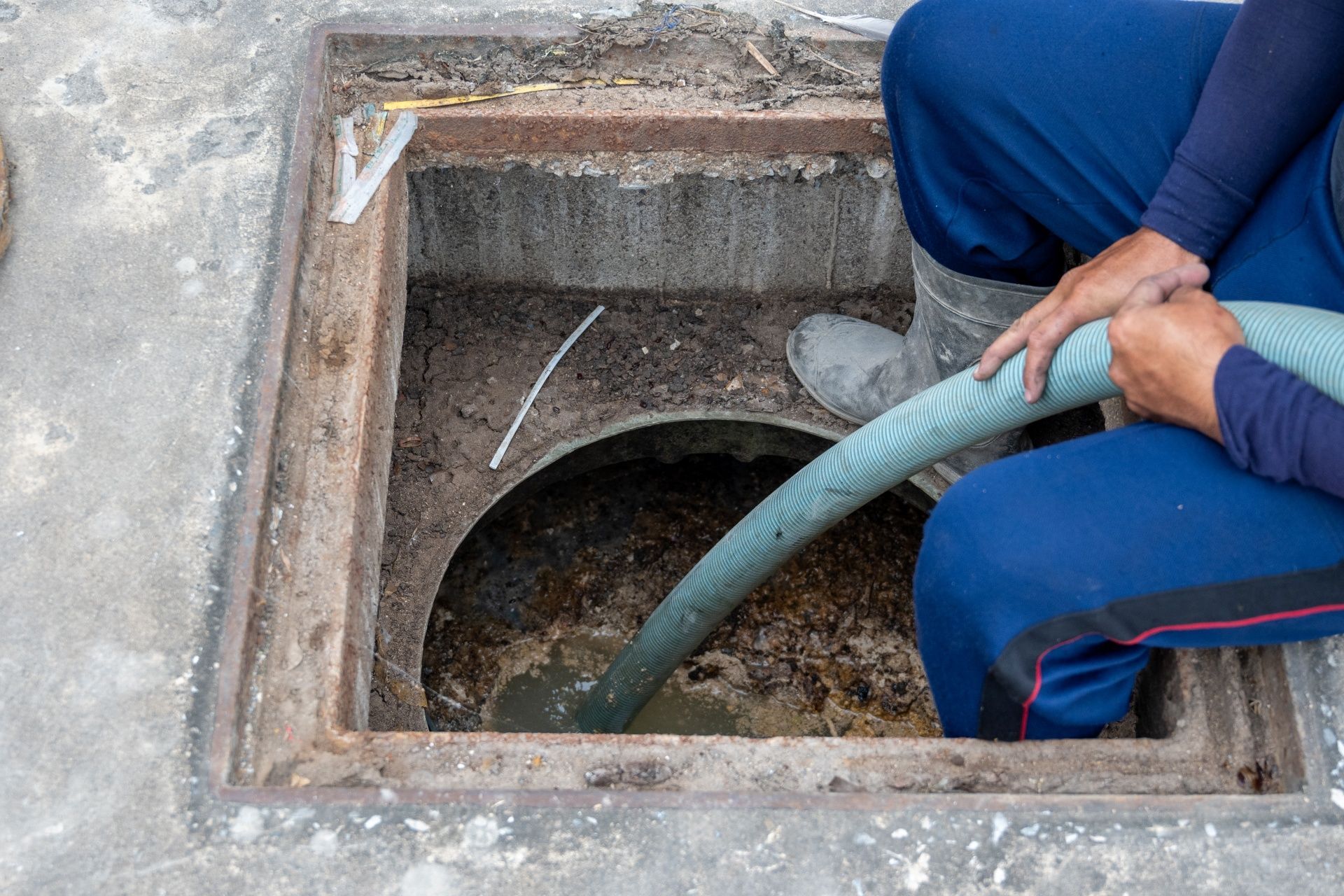
Round Services works with restaurants, cafeterias, and commercial kitchens across Spring to keep grease traps clean, compliant, and problem-free. If you are ready to set up a service schedule that matches your volume and keeps inspectors satisfied, reach out and we will walk you through timing, documentation, and what to expect during your first visit.